The reggae forefather and Jamaican icon Jimmy Cliff died at 81 on Monday 24 November.
Jimmy Cliff was a pioneering reggae artist, briefly an actor, a music rebel, and a very generous interviewee. He lived what he preached. He may not have discovered Bob Marley, but he was instrumental in giving the reggae legend his first break.
His eponymous (third) album contained iconic, sweet-voiced reggae songs like Many Rivers to Cross, Hard Road To Travel and Wonderful World Beautiful People, carrying a message of struggle, peace, love and understanding. The brilliant album also contained Vietnam, which Bob Dylan once called the greatest protest song of all time. That was in 1969 – four years before the world truly began to take notice of Bob Marley and the Wailers.
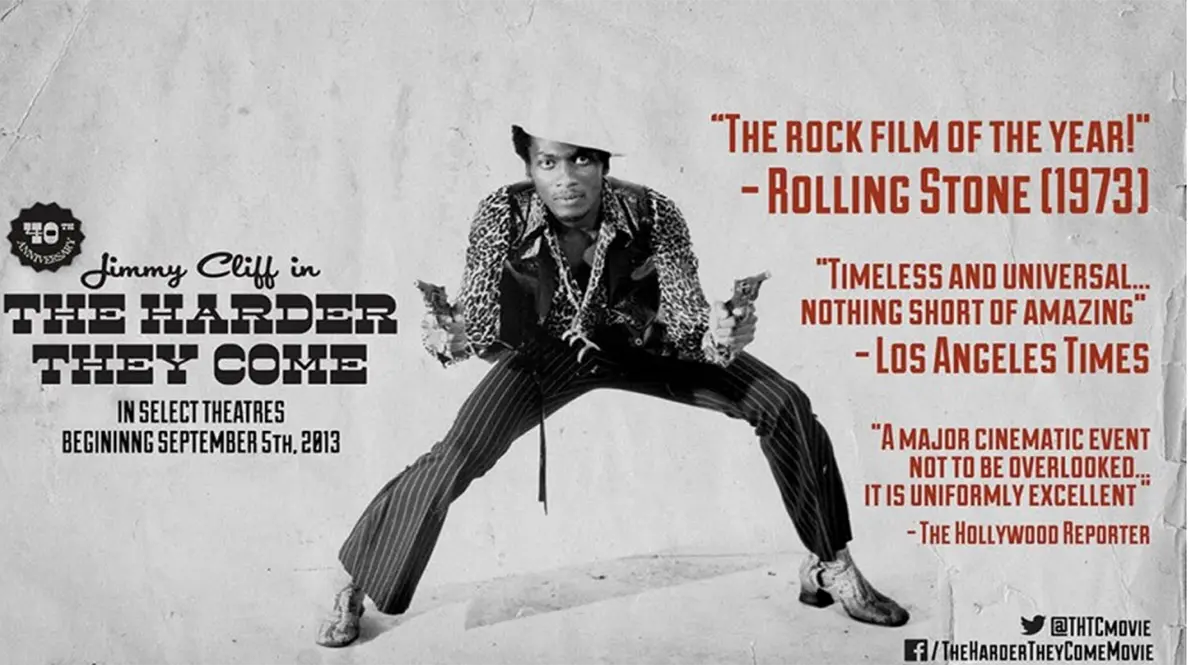
By then, Cliff had already scored a minor hit as an actor playing the lead role in the The Harder They Come, a film that for decades remained the most successful Jamaican movie globally. Jimmy Cliff helped popularise reggae, a genre that for a while made Kingston one of the world’s foremost musical capitals.
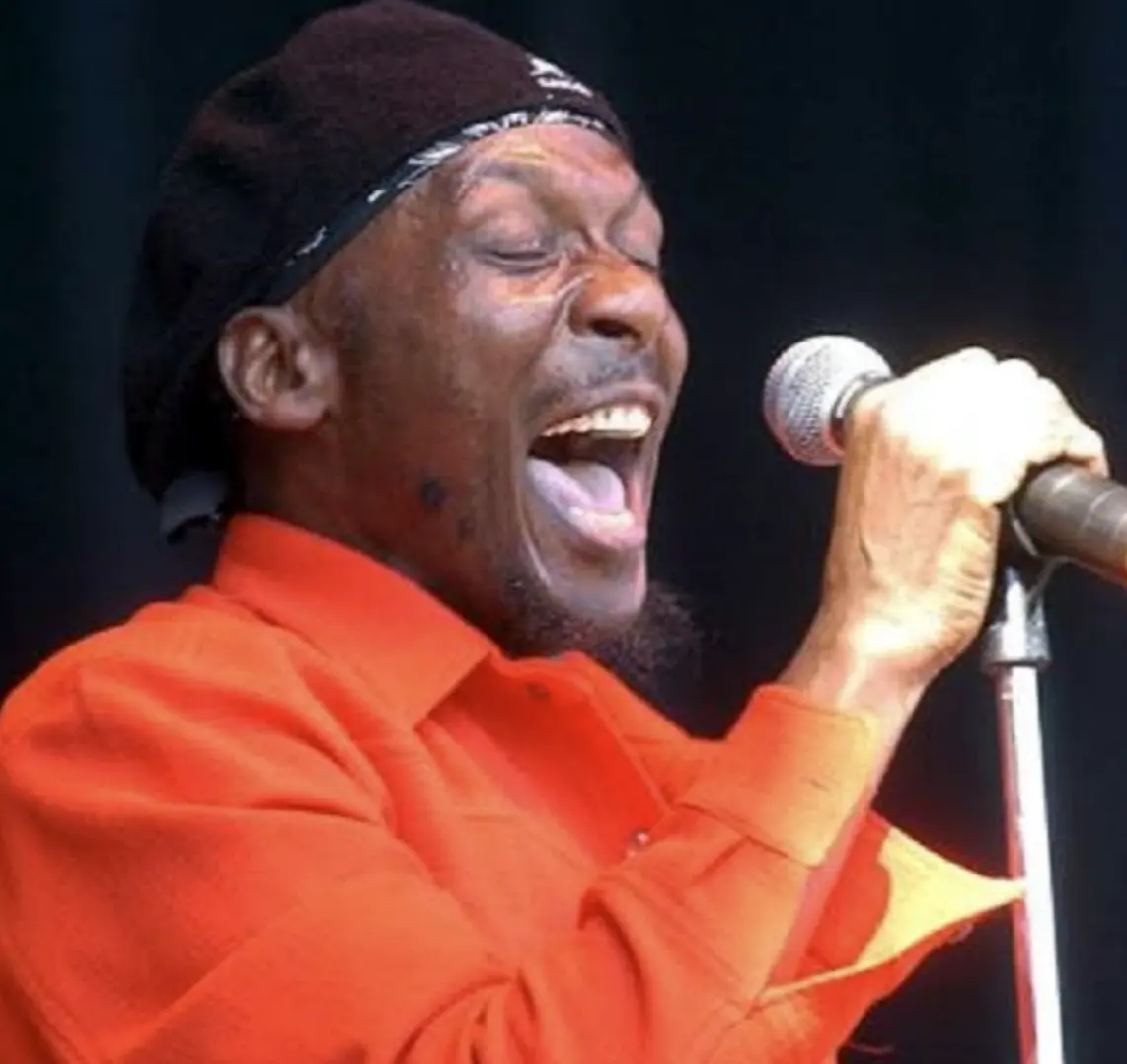
I met Jimmy Cliff in 2006 when he visited Melbourne to perform at the Sydney Meyer Bowl.
Jimmy Cliff was born James Chambers in Somerton in Jamaica in 1944, the second youngest of nine children. His mother ¨wasn’t really around¨and he was brought up by his grandmother and his father, a tailor. His dad decided that Jimmy should attend a technical college in Kingston. But Jimmy was far more interested in music and adopted the soubriquet ‘Cliff, ‘ referring to the heights he hoped to reach in the musical world. He cut a few singles with two different producers that flopped.
One day he walked past the restaurant and record store Beverley’s, owned by Leslie Kong . As it happened, Jimmy had started writing a ska tune called Dearest Beverley which he decided to finish so he could present it to Leslie Kong. I’ll let Jimmy relate the story:
Leslie Kong had no experience producing records. He simply owned a record shop. He didn’t even play an instrument. But then the same was true for one of the greatest ska and reggae producers of the era, Duke Reid, who had been a policeman before entering the music business. What Leslie Kong did have was a good ear for what worked on the sound systems – the open-air dance festivities that dominated the Jamaican music scene at the time.
Jimmy’s first effort with Kong wasn’t a hit , but his next song Miss Jamaica, struck a chord in 1962, coinciding with Jamaica’s independence celebrations. Cliff remained loyal to Kong until the producer’s death in 1971.
Cliff also played a role in the discovery of Bob Marley. He auditioned the young singer and picked three songs that he liked – Judge Not, One Cup of Coffee and Terror, which Leslie Kong consequently produced. But Cliff doesn’t want to take the credit for discovering Marley. If anyone should get that credit it’s probably Desmond Dekker who encouraged his colleague, the young Robert Nesta Marley to audition for Cliff, Derrick Morgan and Leslie Kong.
In 1964 Millie Small had a worldwide smash hit with My Boy Lollipop recorded in the ska –or bluebeat –style. It was the first international hit for a Jamaican singer. Cliff toured with Millie in the US and also recorded a song with her, but it didn’t lead to anything major.
After signing a contract with Island Records in 1965 Cliff moved to England, where Chris Blackwell tried to introduce him to a rock audience. It didn’t work. However, he did score a hit in Brazil with Waterfall, a song that sounds as if it could have been an entry in the 1968 Eurovision Song Contest.
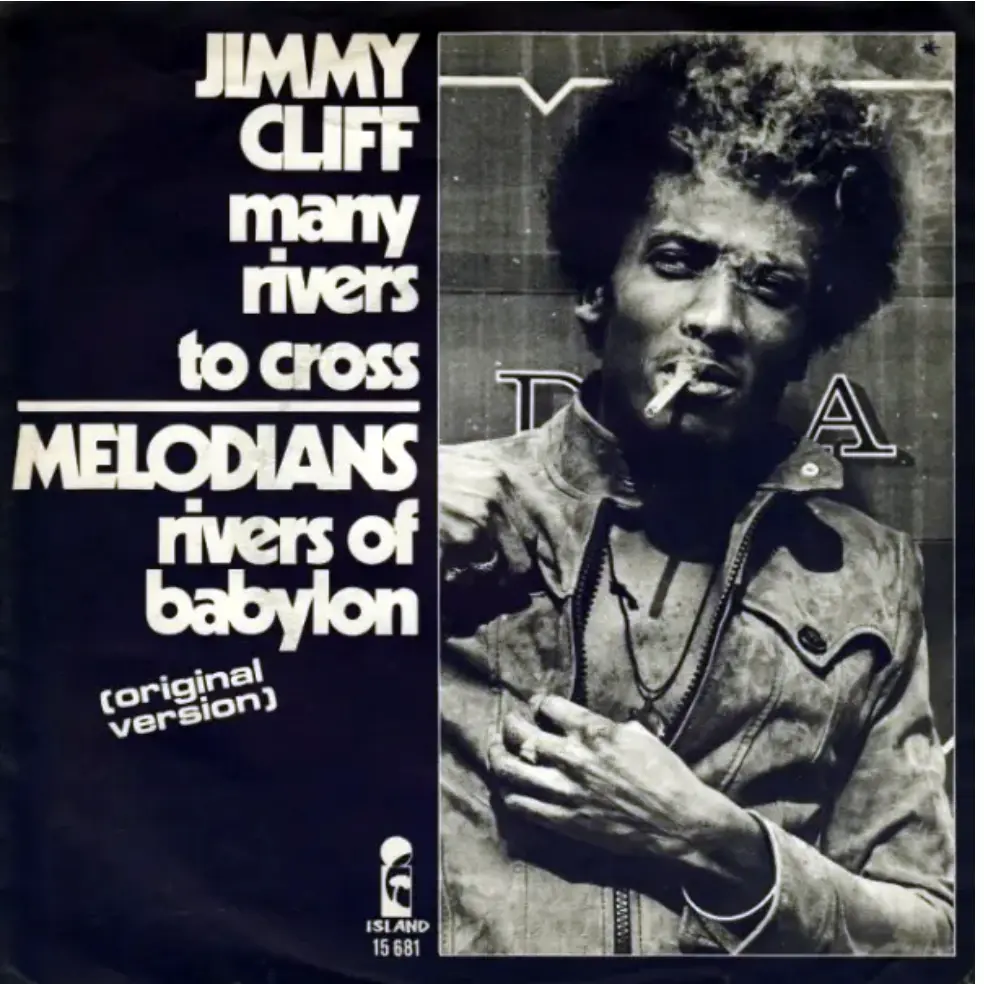
In 1969 he returned to Jamaica to record with Leslie Kong, producing his eponymous album which included the top ten UK hit Wonderful World, Beautiful People, also a minor hit in the US. The protest song Vietnam earned him praise from Bob Dylan. To fill out the album Many River To Cross was added, which was never a hit for Cliff, but has been covered by many artists. Cliff found success with his cover of Cat Stevens’ Wild World and also built a reputation as a songwriter for fellow Jamaican artists such as Desmond Dekker and the Pioneers.
n 1971, Jamaican film director Perry Henzell asked Jimmy Cliff to write the score for his gritty drama about a promising reggae singer who, after clashing with a corrupt music industry and a brutal police force, ends up killing a police officer. Remarkably, Cliff was not only invited to compose the music—he was also offered the film’s lead role as Ivanhoe Martin. Despite very little acting experience, Cliff was in The Harder They Come totally convincing as the singer turned cop-killer. The soundtrack, which featured several of Cliff’s own tracks, went on to achieve far greater commercial success than the film itself.
The reviews of the The Harder They Come were mixed, but over the years the movie garnered a cult following. I recommend it to anyone interested in reggae music and the social environment from which the genre emerged.
Cliff told me that his first love was acting – that was what he really wanted to do. At school, that was what attracted him most. His film career never took off, but In the eighties and nineties he made a number of brief appearances in films and even starred in the comedy Club Paradise (1968) alongside Peter O’Toole and Robin Williams. He featured as a singer in a couple of films and throughout his career his songs continued to pop up on soundtracks.
Cliff left Island Records after a bitter falling-out with Chris Blackwell, feeling that Blackwell hadn’t promoted his records adequately.
I asked Cliff if he regretted not staying with Island Records, considering the success that Bob Marley had – partly thanks to Blackwell – after he left?
Cliff smiled, paused and quoted a few lines from the song My Way.
Cliff had already made it clear in the title song of The Harder They Come that he intended to practice what he preached: ¨But I’d rather be a free man in my grave, than living as a puppet or a slave¨
The conflict with Blackwell was eventually resolved and they were back on good terms when I met Cliff.
Cliff took some time off, went to Africa, and decided to perform in South Africa, which wasn’t a popular move. But Cliff explained that for some strange reason they allowed multi-racial audience to come to the concert. For him that was one of the most memorable moments in his career. But controversial. He was banned from performing in a number of countries, but he was convinced he helped to break Apartheid down by going there.
He had a hit in 1983 with Reggae Night, co-written by La Toya Jackson. Ten years later he recorded Johnny Nash’s 20-year old song I Can See Clearly Now for the sports comedy Cool Runnings (1993)– based on the incredible, but true story of the Jamaican bobsleigh team competing at the 1988 Winter Olympics.
Even when the hits dried up Cliff was never forgotten and he collaborated with everyone from The Rolling Stones, Elvis Costello, Annie Lennox and Paul Simon. Bruce Springsteen made a very fine version of the somewhat obscure Cliff song Trapped and I hope that more musicians will now (re-)discover the reggae forefather’s impressive song catalogue.
It may be an overstatement, but I strongly believe that without James ‘Jimmy’ Chambers – Jimmy Cliff – we might never have had Robert ‘Bob’ Nesta Marley either.
TANKS for reading and listening. If you want to hear more of the interview, I can put up the whole conversation (or most of it). Let me know