Cádiz is situated on a narrow peninsula that you approach on a road flanked by wetlands, beaches and water. The alternate access, via Puerto Real, is the Constitution of 1812 Bridge – one of Europe’s longest. Whichever way you enter, it is an appealing introduction to a city that has managed to keep its historic districts fairly free from disfiguring modernisation. Hemmed in by water, there was never going to be much room for ugly urban sprawl.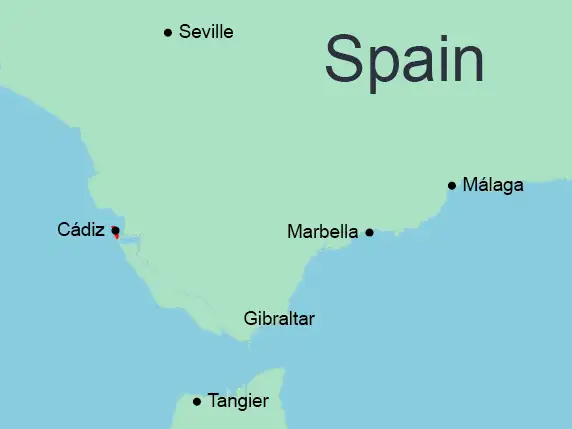
I vaguely remember visiting Cádiz in the 1980s. It was an unremarkable and crumbling town back then. Spain had only just joined the European Union (the EEC in those days), unemployment levels were shocking and there were visible signs of poverty. The main attraction, the Cathedral, was closed for repairs and I have no memory of other cultural highlights or of outside dining in the hazy spring sunshine. How things have changed. Today Cádiz is definitely worth a day trip.
On either side of the 16th century entrance gate to the old town, two large arches have been cut into the fortification wall to allow access for modern day traffic. There is plenty of charm from the outset. If you arrive by car, park in the underground car park by the seafront, near the Cathedral.
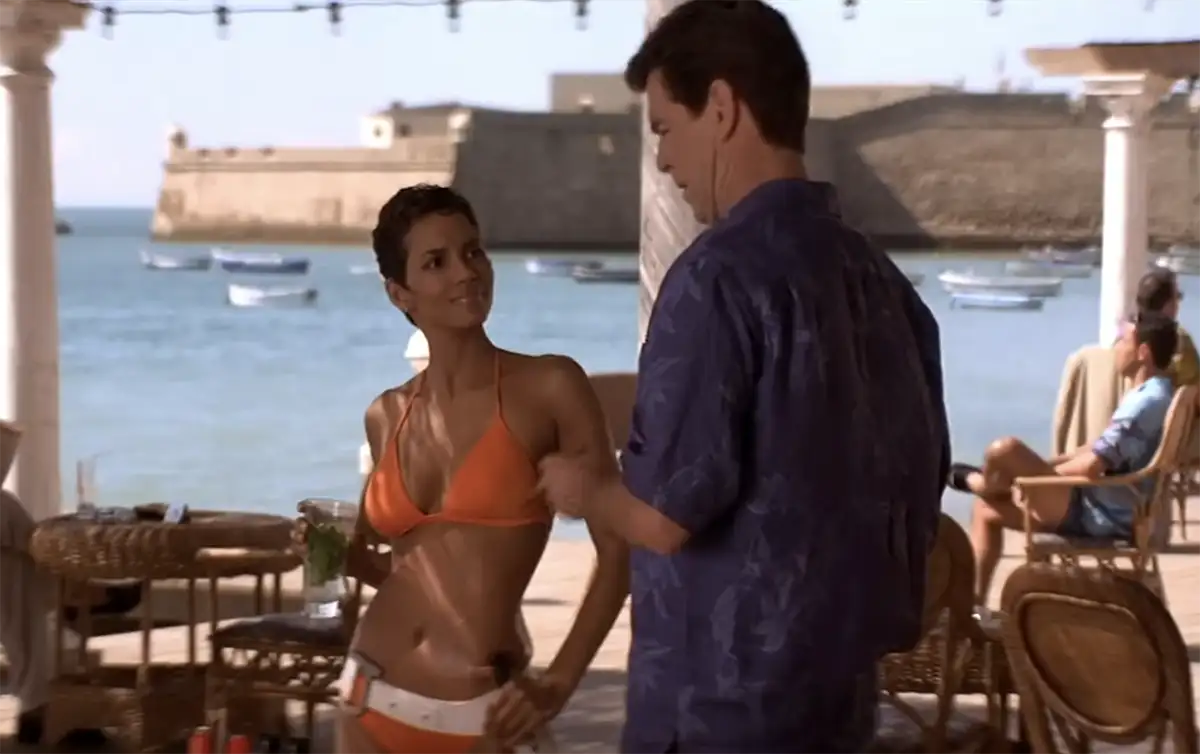
Expect narrow cobbled streets, a Cathedral built in a slightly erratic Hispanic-Italianate style, baroque architecture with Solominic columns thrown in for fun. You’ll find wrought-iron balconies, charming plazas with statues of unknown heroes, watchtowers, a seafront promenade, a monument to the first Spanish Constitution. Then there is the beach featured in the Bond movie Die Another Day in which Halle Berry emerges from the sea, upstaging the 17th century fortress in the background which is the real point of interest. You would have to make a concerted effort to remain oblivious to this city’s incredibly rich history.
Cádiz can lay claim to being Western Europe’s oldest city; the great sea merchants and colonisers, the Phoenicians, set up a trading post here in the 9th century BC. The peninsula is exposed to the Atlantic Ocean’s harsh weather, but being surrounded by water made the place easier to defend. The Phoenicians called it Gadir, which means ‘stronghold’ or ‘compound’ in the Punic language. Greek traders later settled and mixed with the locals. Vast fortunes were created while it also became a destination for seekers of pleasure and sin.
The Carthaginian were Punic speaking people and had adopted Phoenician culture. For three centuries they were mainly interested in trading with the Iberian coastal city. However, after being defeated by the Romans in the First Punic War, the Carthaginians compensated for their land losses by expanding into Spain. Hamilcar Barca and his son, Hannibal, landed at Gadir in 237 BC and started a successful campaign eastwards. Hamilcar drowned during a battle, but he had secured the finances for Hannibal to continue the resistance against Rome – a journey that famously took him across the Alps with his elephants and hardened warriors. While Hannibal was busy fighting in Southern Italy Gadir surrendered to the legendary Roman general Scipio Africanus, who renamed it Gades. Over the following half-millenium, the city prospered under Roman rule, until the Visigoths invaded in the 5th century and leveled Gades to the ground. Or so it seemed, until 1980, when a large and surprisingly well-preserved Roman theatre was unearthed, not far from the Cathedral. It had a capacity for more than 10.000 spectators. You can visit the remains for free. In the 8th century, the Umayyad Caliphate rid most of the Iberian peninsula of Christian rulers and Gades became Jazīrat Qādis. During the Reconquista, starting in the 13th-century, the Moors were eventually expelled and Cádiz adopted its modern name.
Columbus set sail from Cádiz on two of his four voyages, and as a result, it became the main hub for all the treasures brought back from the Americas. For centuries it was one of the most important ports in the world. Sir Francis Drake destroyed more than 30 ships and set their cargoes alight in the harbour in 1587, thereby ¨singeing the King of Spain’s beard¨ and delaying the Spanish Armada ‘s departure by a year. Two centuries later the British first blockaded and then bombarded the city, only for the French to lay siege ten years after that. While Napoleon controlled most of Spain, Cadiz served as the national capital.
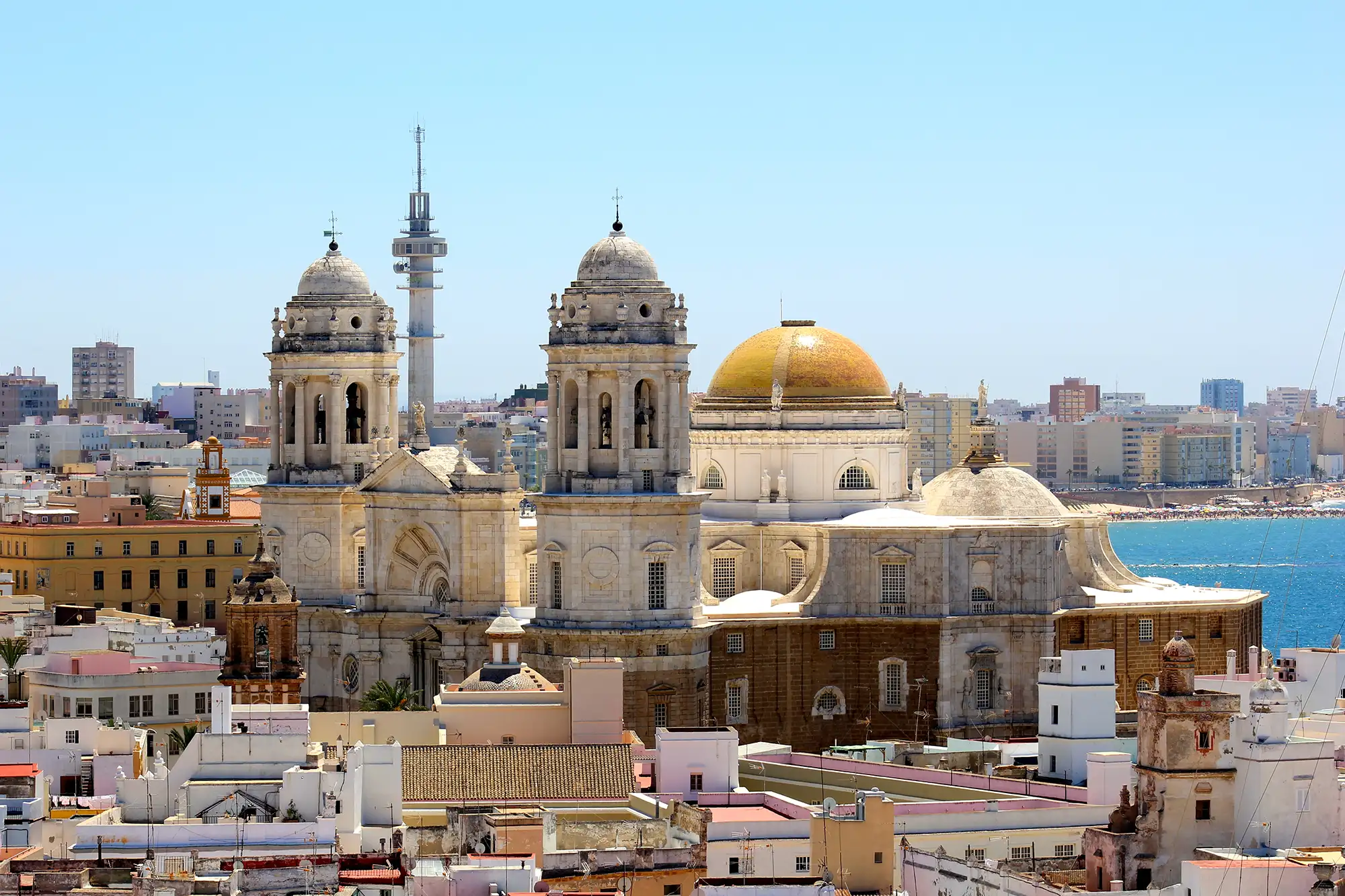
The architecture in Cádiz’s old town reflects primarily the enormous wealth created in the 17th and 18th century. While you may struggle to find many instagrammable buildings, there is at least one iconic edifice: the Catedral de la Santa Cruz sobre el Mar or simply Catedral Nueva, so called because it was built near the old Cathedral. Construction started in 1722 and, by the time it was finished, 116 years later, the two-tone façade and the interior had undergone a number of design changes. The mix of styles – ranging from Italianate Baroque, Rococo to Neo-Classical – is remarkably harmonious.
Most unusual for a Catholic Church is the golden cupola with its glazed tiles, shining like a beacon to ships out at sea. It reminds me of Russian Orthodox churches and the Dome of the Rock (Al–Aqsa) mosque. One major problem that Cádiz has, and every other coastal town, is the constant struggle with the¨salt curse¨– exposure to salt spray. The proximity to the sea of the Cathedral means it is highly exposed to saline condensation and humidity, which erodes the limestone masonry. In this century, the roof has been sealed, the sacristy restored, and crumbling masonry has been replaced.
The interior is vast but slightly disappointing, except for the choir stalls. They were originally carved for a monastery in Seville in 1701 but were relocated here in 1840. Since the chancel is cordoned off, I had to resort to studying photographs of the misericords. I am glad I did, because they show that an artist with a sense of cheek and glee sculpted the hinged seats.
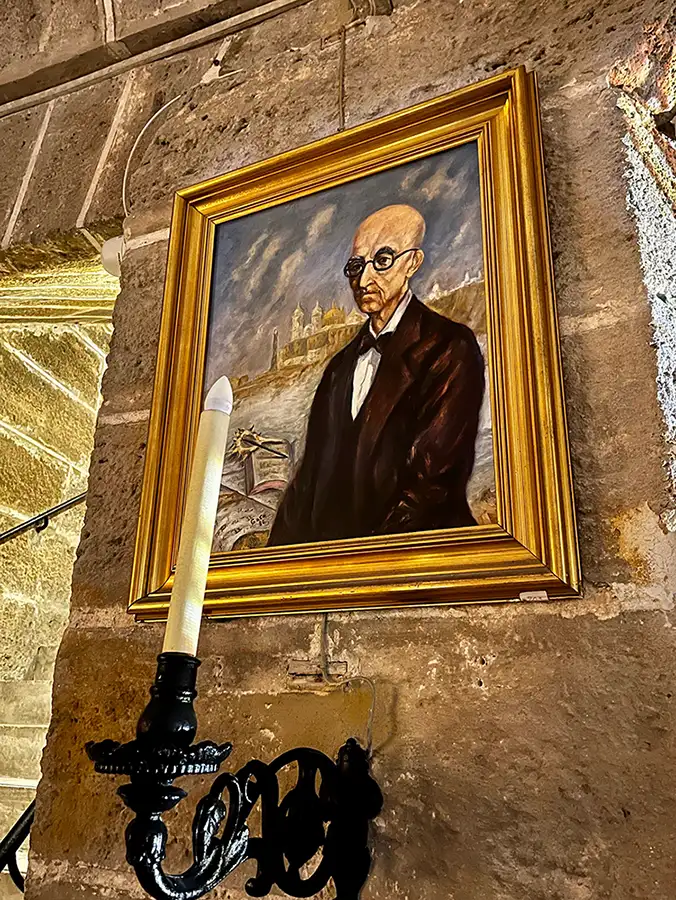
Spain’s greatest classical composer, Manuel de Falla, is buried – against his will – in the crypt. Unfortunately, he shares the space with the dramatist-novelist José María Pemán y Pemartín, a fervent anti–Semitist and supporter of dictator Franco. The fascist regime – responsible for the execution of Falla’s good friend, the poet Fedrico Garcia Lorca – was the reason he moved to Argentina in 1939. Falla wished to be buried there, but Franco ignored his wish and brought his remains back to Cádiz.
By now, you may already be thinking of refueling with a plate of pescaito frito, a delicacy which originated in Andalusia. After Shephardic Jews introduced it to Britain it eventually evolved into fish and chips. Before you have your almuerzas, consider climbing the 56 metre high Levante bell tower (included in the cathedral ticket). It offers splendid 360-degree views over the old city’s white buildings and the (hopefully) peaceful Bay of Cadiz (click here for a look Levante-Bell-Tower_Cadiz).From up here you have a good view of Plaza de la Catedral beneath your feet, not a bad place for a spot of lunch or just a glass of Amontillado (vicar?) while taking in the splendour of the church you have just visited.
Manuel Falla (he added ‘de’ to his name for a touch of aristocratic flair) was born in Cádiz in 1876. A plaque now marks his family home on Plaza de Mina 3 where he spent his youth. However, the primary museum dedicated to the composer of classics such as the ballet El amor brujo and Nights in the Gardens of Spain is located in Granada, where he lived throughout the 1920s and 30s. I highly recommend a visit; the view from his garden near the Alhambra is truly splendid. Later this year, I will write an extensive piece on the composer to celebrate his 150th jubilee, featuring plenty of illustrations and interviews.
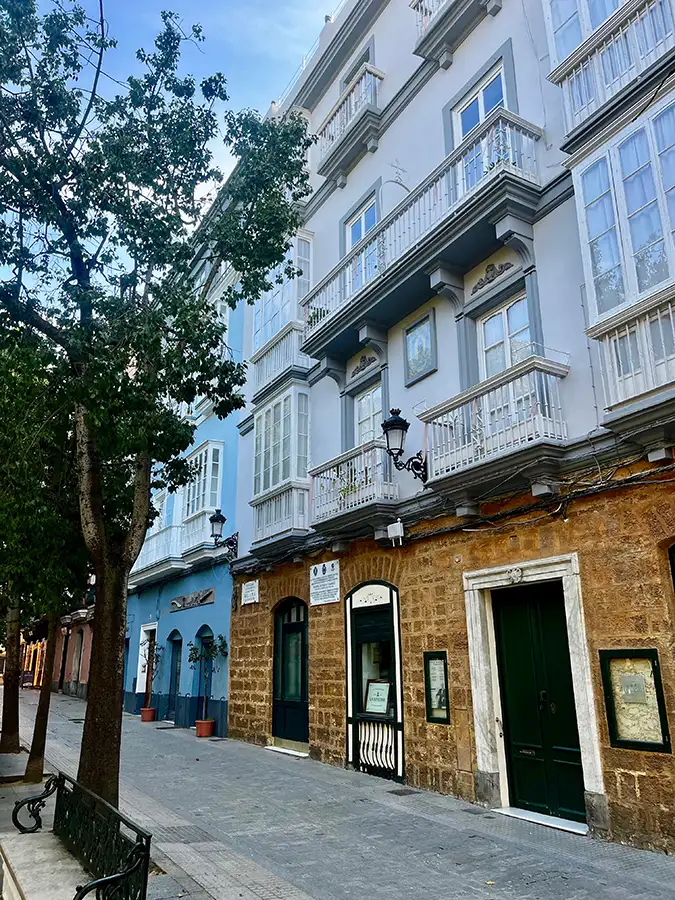
The square itself, Plaza de Mina, is lovely and on a sweltering summer’s day it is surely a perfect sanctuary to relax under the large fig tree, lulled by the soothing sound of the fountain. In de Falla’s youth, a bandstand stood here and before that the site served as the vegetable garden for the San Francisco Convent. The Convent building now houses the Museo de Cádiz, where art and history buffs like myself can easily lose themselves for one, or even two hours.
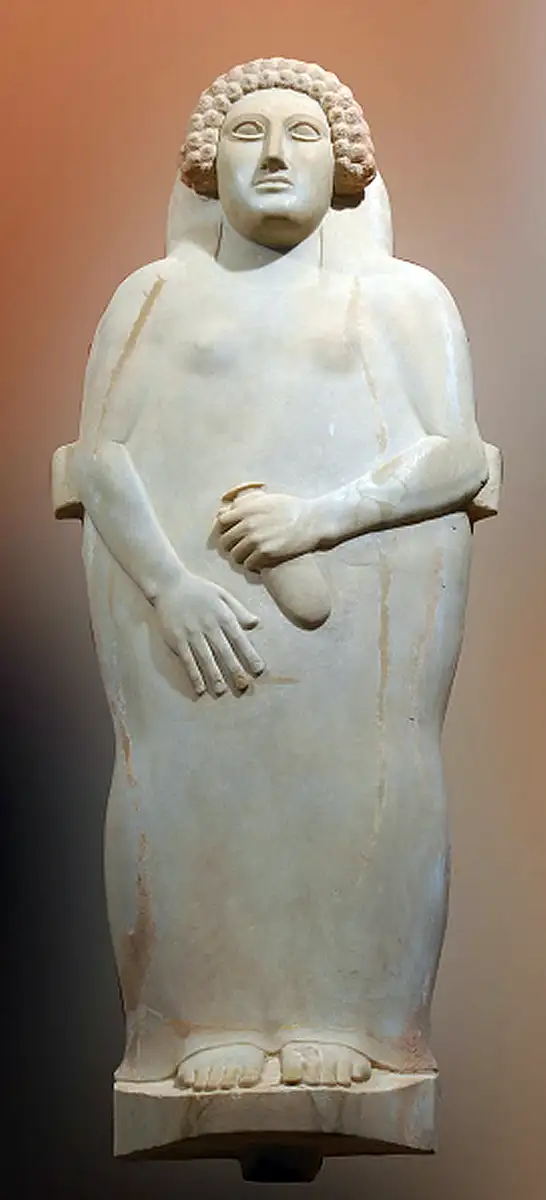
The museum’s archeology department boasts a wealth of Phoenician, Roman and Greek jewellery, pottery, and sculptures, including an expansive Roman floor mosaic. But the most valuable treasures – well worth the visit alone – are the two Phoenician anthropoid sarcophagi. These human-shaped coffins are incredibly rare, and they are the most ancient marble sculptures ever found on the Iberian Peninsula.
The Lady of Cádiz is a serene masterpiece sculpted in Sidon, Lebanon, around 480 BC. She is depicted with a straight (Greek) nose, open almond-shaped eyes, full lips and a very prominent chin. Her hair is styled in long, wavy locks covering, showing reddish paint remnants. Clad in a long tunic that reaches her bare feet, her arms are bent at the elbows, her left hand cradling an alabastron. Sarcophagi of this high calibre you will only find in Palermo or Beirut.
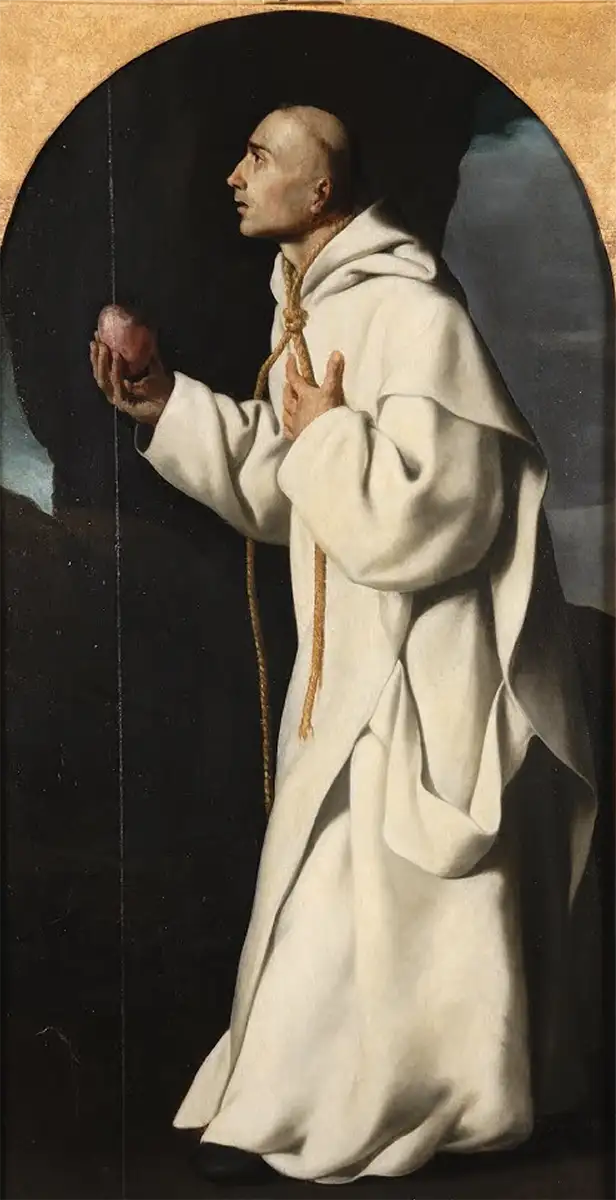
It’s worthwhile exploring the museum’s collection of art from the Spanish Golden Age. Francisco de Zurbarán (1598 – 1664) is sometimes called the ¨Spanish Caravaggio¨ and his skill in painting dramatically lit religious figures emerging from the shadows is undeniable. The museum’s impressive collection of Zurbarán works originated from a monastery in Jerez de la Frontera. While these rather austere and sculptural paintings of martyrs, monks and angels are an acquired taste, his ability to render fabrics was peerless. Admittedly they were often rather shabby monk’s habits, but then Caravaggio liked a bit of dirt as well.
This spring the National Gallery in London dedicates a major exhibition to Zurbarán, and I will review the show on this, my own website.
By now the cocktail hour is approaching. Rather than returning to the over–touristed squares and streets near City Hall, I recommend turning into Calle Zorirlla, just off Plaza de Mina. Here you’ll find authentic tapas bars and reasonably priced taverns. It’s also an ideal starting point for a final stroll along the coast and the city’s restored sea wall. The walk will take you through Genovés Park with its artfully sculpted trees and ornamental waterfall, before reaching the 17th century Castillo de Santa Catalina. Built on a rocky outcrop the sea fortress served as a military prison for nearly 200 years; the Francoist regime made notorious use of its cells.
Adjacent to it is La Caleta, the only beach within the old city. This is where in the 2002 Bond movie, Die Another Day, Pierce Brosnan spied through his binoculars, while puffing on a cigar, as Halle Berry emerged from the surf. They were pretending to be in Havana (hence the cigar), but a number of scenes were filmed in ol’ Cádiz.
You have nearly finished the coastal loop and arrived at the underground parking I recommended at the start of this piece. You can either head back where you came from, or stay for the evening and find out if Cádiz comes alive at night. On that front I can’t help you.
ALBERT EHRNROOTH


